10 Simple Ways to Make Your Small Business Look More Professional
VantaCode
November 13, 2026
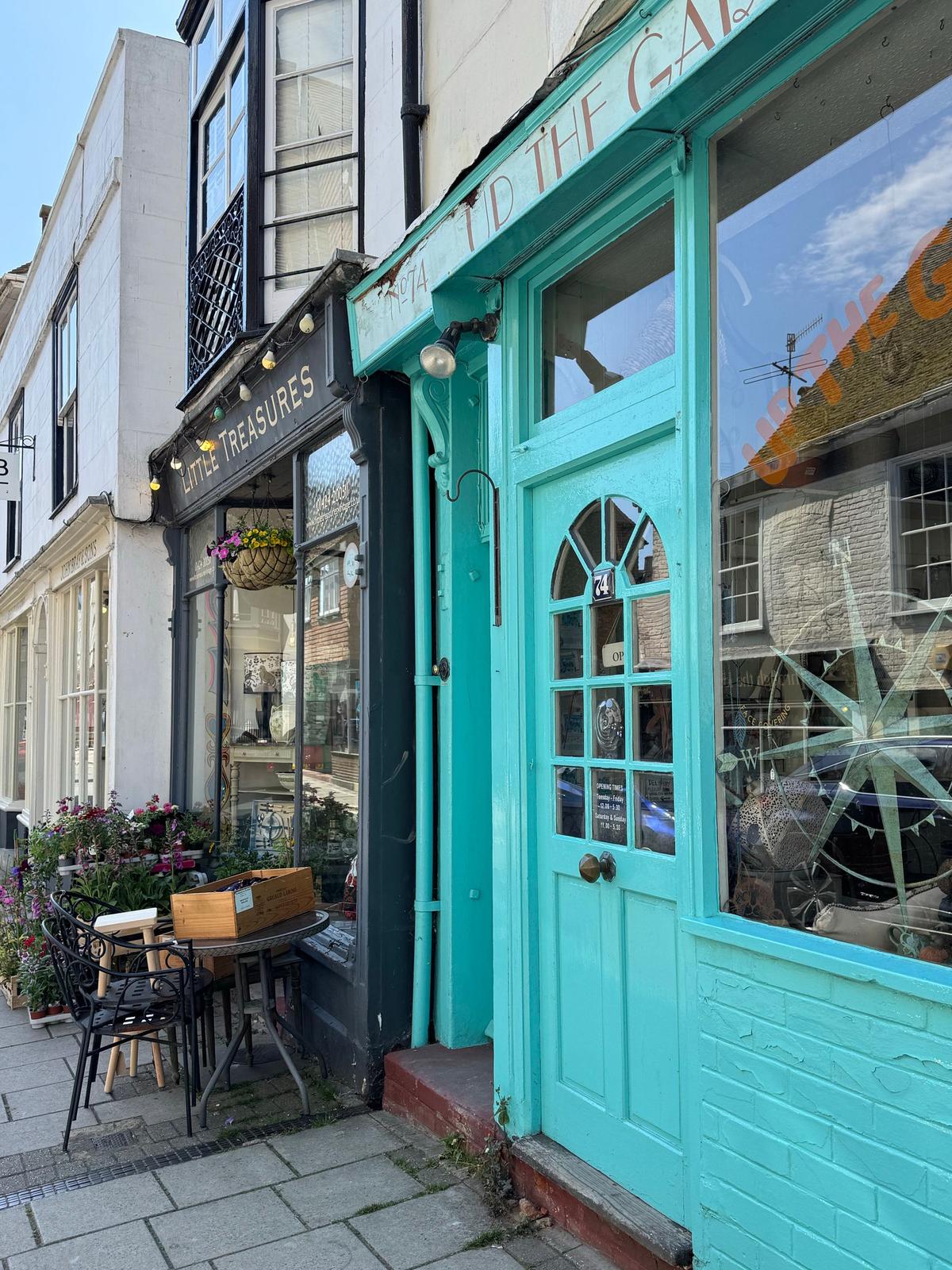
People form an opinion of your business before they ever hire you. They notice your name, your email, your listing, your photos, and how quickly you write back. That first impression doesn't have to be expensive. It does have to be consistent and cared for.
Looking professional isn't about pretending to be a big company. It's about making it easy for someone to trust that you'll do what you said you'd do. These ten habits are small on their own. Together, they change how the business feels.
1. Use one clear business name everywhere
If your invoices say one name, your Google listing says another, and your social page uses a nickname, people have to work to confirm they're in the right place. That creates doubt.
Pick the name you want customers to search for, and use it the same way on your sign, listings, email, website, and paperwork. If you have a legal name and a shorter public name, that's fine. Just be consistent about which one the public sees.
2. Get a proper email address
An email like yourbusiness@gmail.com can work in a pinch, but it looks temporary. A simple address on your own domain, such as hello@yourbusiness.com, signals that the business is established and that the message is official.
You don't need a complicated setup. One or two addresses is enough for most small businesses. Add a short signature with your name, business name, phone number, and website. That's it. It's a small change with a big effect on first impressions.
3. Keep your Google listing complete and accurate
For a lot of local businesses, the Google Business Profile is the first page people see, even before a website. If the hours are wrong, the photos are old, the phone number is outdated, or the services list is blank, you look less reliable than you are.
Set aside a short time each month to check it. Confirm the hours, including holidays. Add a few clear photos of the real work or the real space. Reply to reviews. Make sure the category and description match what you actually do today.
4. Use clear, consistent photos
You don't need a studio shoot. You do need photos that look like they belong to the same business. Mix-and-match filters, blurry shots, and pictures lifted from the internet make a business feel unfinished.
Take a handful of simple, well-lit photos: the work itself, the space if you have one, and maybe a photo of the person behind the business. Use those same images on your listing, your site, and your social pages. If a photo is dated or no longer accurate, replace it.
5. Write in plain, careful language
Typos, all caps, and vague slogans don't match the care most owners put into the actual work. People notice. You don't have to sound formal. You do have to sound clear.
Read your listing, your website, and your last few posts out loud. If a sentence would sound odd coming from you, rewrite it. Explain what you do in the words a customer would use. A second set of eyes helps catch the mistakes you've stopped seeing.
6. Make it easy to contact you
A professional business is easy to reach. The phone number, email, or form should be obvious, and it should work. If you list several contact methods, make it clear which one you actually check.
Say when people can expect a reply, especially if you work unusual hours or you're often on a job. A short line like "I return messages on weekday mornings" is more professional than silence. Then keep that promise.
7. Tidy up your paperwork and invoices
Your quote, invoice, and receipt are part of how the business looks. A messy PDF, a personal payment app with no business name, or numbers that don't add up can undo a good conversation.

Use a simple, repeatable format with your business name, contact details, the date, a clear description of the work, and the total. Separate business money from personal money if you haven't already. You don't need complicated software to look organized. You need documents that are easy to read and easy to trust.
8. Keep your hours and policies easy to find
People shouldn't have to message you to learn when you're open, how you take payment, or what happens if they need to cancel. When those details are hard to find, you look harder to work with than you are.
Put the basics in writing, in the places people already look: your Google listing, your website, and a short note you can send if someone asks. If a policy changes, update it everywhere. Old information is one of the fastest ways to look sloppy.
9. Reply like someone who is organized
How you write back matters as much as how quickly you write back. A clear, polite reply that answers the question and names the next step looks professional even if it isn't long. A late, vague, or typo-filled reply does the opposite.
You can save a few short templates for common questions, then personalize them. Start with the person's name, answer what they asked, and tell them what happens next.
10. Fix the small broken things
Dead links, a "coming soon" page that's been coming soon for a year, a social profile with no photo, or a listing that still shows last winter's hours: these are the details people trip over. They don't take long to fix, which is why leaving them is so noticeable.
Once a month, click through your own presence the way a new customer would. Try the form, call the number, and open the site on a phone. Fix the easy, neglected items that same day.
Takeaway
Looking more professional is mostly a matter of consistency: one name, a proper email, current information, clear photos, careful writing, tidy paperwork, and replies you can be proud of. None of that requires a big budget. It requires a little time used on purpose.
If you want a simple, clear website that matches the rest of that impression, VantaCode can help. Start with the one detail you'd be embarrassed for a new customer to see first.
Comments (0)
No comments yet. Be the first!